Understanding The Thermostat: Crucial Component For Optimal Automotive Cooling
Introduction
The thermostat in the cooling system is a vital component. Ir is responsible for regulating engine temperature and contributing to optimal vehicle performance. A properly functioning thermostat is crucial for maintaining the engine at the correct operating temperature, preventing overheating, and promoting fuel efficiency.
Overview of Thermostat Operation
The thermostat consists of various components, including a temperature-sensitive element, housing, valve, and spring, which work together to control coolant flow. Its design allows the thermostat to close during engine warm up and keep the coolant in the radiator until the engine reaches proper operating temperature. The thermostat then opens and allows coolant to flow through the radiator. When engine temperature drops below the desired level, the thermostat closes partially or fully to reduce coolant flow and raise the temperature again.
By maintaining a consistent and efficient operating temperature, the thermostat plays a crucial role in engine performance and fuel efficiency.
There are two types of thermostat: Convetional Thermostat and the Electronic Thermostat
1. Conventional Thermostat: based on the principle of temperature-sensitive wax or a similar material. It opens when the temperature is hot and closes when cold.
2. Electronic Thermostat: based on the coolant temperature, the electronic thermostat uses built-in control logic and algorithms to determine the appropriate action.
CommonSymptoms of Thermostat Malfunction
Signs of a malfunctioning thermostat can manifest in several ways, providing important indicators of potential issues.
A thermostat stuck in the closed position can lead to engine overheating as the coolant circulation is hindered, preventing it from reaching the radiator for proper cooling. As a result, heat dissipation becomes inadequate, potentially causing significant damage to engine components if the issue is not promptly resolved.
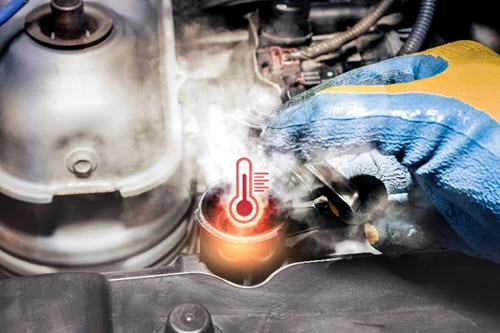
A thermostat that is stuck open allows coolant to continuously flow through the engine, radiator, and cooling system. This prevents the engine from reaching normal operating temperature, negatively impacting fuel efficiency and emissions. Additionally, the engine may experience reduced efficiency and power output.
A malfunctioning thermostat can impact the heating system of vehicle, leading to poor heater performance and insufficient warmth inside the cabin.
A malfunctioning thermostat that fails to regulate engine temperature can result in decreased fuel efficiency as the engine takes longer to reach its optimal operating temperature, leading to increased fuel consumption. Prompt diagnosis and repair of thermostat issues are essential to prevent further damage to engine components, and to maintain optimal engine performance and efficiency.
Thermostat Maintenance
Performing inspections to check for signs of corrosion, leaks, or physical damage is essential. Testing the opening of thermostat and closing temperatures can help verify its functionality when there are signs of improper operation. Additionally, cleaning the thermostat to remove any debris or sediment that may hinder its operation is important for optimal performance.

Cost of Thermostat Replacement
The price of a thermostat can vary depending on factors such as the vehicle make and model, and the quality of the replacement part. Generally, thermostat replacements range from $30 to $100, including the cost of the part and labor charges.
Conclusion
Understanding the role of thermostat in the cooling system is crucial for maintaining engine health and performance. By ensuring a properly functioning thermostat and timely replacements, drivers can ensure smooth vehicle operation and longevity.