How To Test And Clean A Mass Air Flow Sensor (DIY)
Purpose:
To guide you on how to test and clean a Mass Air Flow Sensor.
Introduction
| Cleaning the Mass Air Flow Sensor by yourself? Don't worry! This job doesn't require a professional. It simply takes approximately 10-90 mins with only an air intake cleaner, screwdrivers, wrenches, an OBD scanner, and anything else needed to gain access to the Mass Air Flow Sensor for your particular vehicle. |
What Is The Mass Air Flow Sensor?
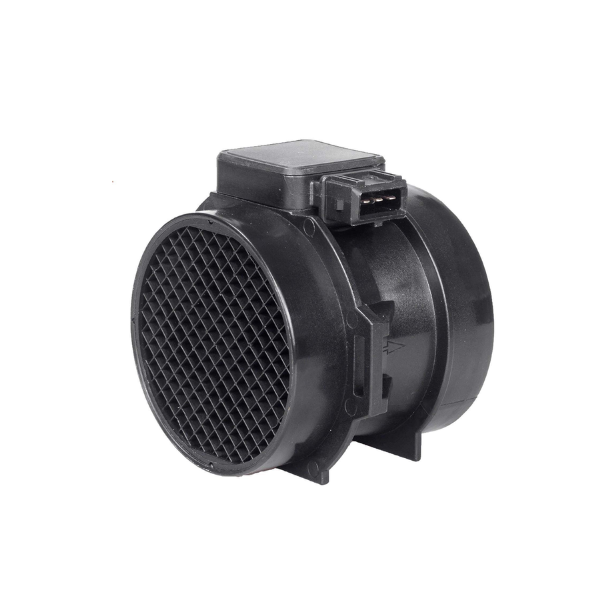
The Mass Air Flow (MAF) Sensor measures the air flowing into the engine's intake manifold. The Engine Control Unit (ECU) receives information from the sensor, then the ECU control the injectors to inject the right amount of fuel into the cylinders at the proper time. However, sometimes this sensor can get clogged with particles or fail, so it'll supply the ECU with inaccurate information and causes the wrong air and fuel mixture.
How Do You Test The Mass Air Flow Sensor?
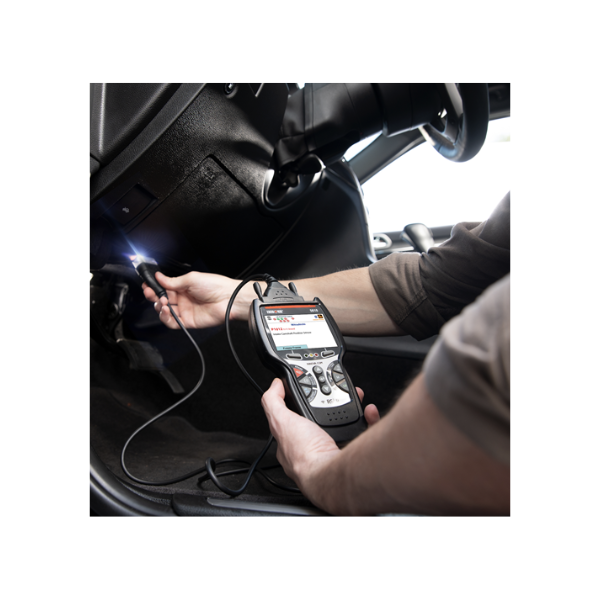
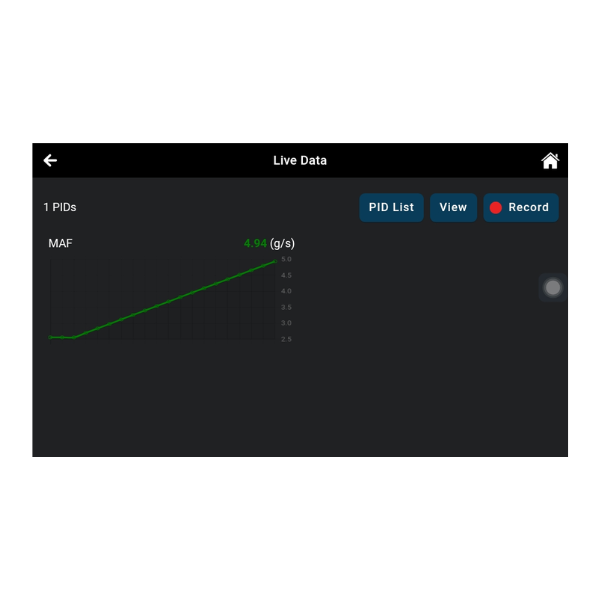
| OBD II is responsible for monitoring virtually every component that can affect emission performance and ensuring that the system is operating correctly. OBD II continuously examines the sensor data including the MAF sensor. The Check Engine light illuminates in the vehicle instrument panel to alert the driver if any problem is detected. The image on the left shows a quick and correct way to test MAF sensor overall performance with an OBD II scan tool such as Innova 7110. Plug Innova 7111 scan tool into your vehicle's OBD II port and go to View Live Data to see the MAF sensor value. With the engine at idle, the MAF sensor value should read from 2 to 7 grams/second (g/s) and rise to between 15 to 25 g/s at 2500 rpm, depending on engine displacement. Press the accelerator pedal to increase the engine speed. The number should increase dramatically because plenty more air is suddenly rushing into the engine. You also can keep the engine at certain RPMs to test the MAF sensor data there. For example, at 2500 RPM the value should be higher than at idle but lower than at 4000 RPM. If the live data does not match this behavior, it means your Mass Air Flow Sensor is dirty or has failed. Unfortunately, there's no way to reset it; however, you could attempt to clean it, but must replace it if cleaning doesn't repair the problem. |
What Are Common Symptoms?
A faulty mass airflow sensor causes issues just like low compression or low vacuum and has signs like when your car has insufficient fuel pressure from a faulty fuel pump. Below are the most common signs and symptoms of a faulty mass airflow sensor:
- Illuminating Check Engine light For Codes P0171 to P0174
- Hard Starting
- Rough Idling
- Difficult Acceleration
- Poor Fuel Economy
- Black Exhaust Smoke
How To Clean A Dirty Mass Air Flow Sensor?
Step 1 - Find your MAF
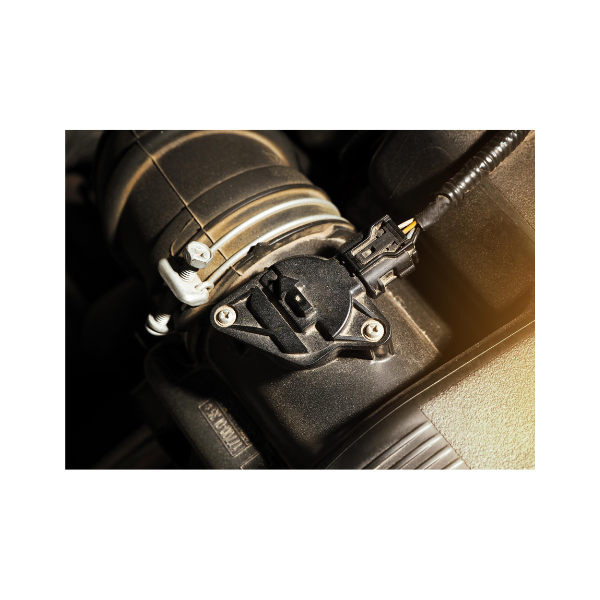
| Locate your vehicle's air box and use a screwdriver to pluck it out. Then, carefully pull off the sensor from the air duct and disconnect the electrical connector. Note: When pulling off the sensor, ensure it is not in contact with the sensor wires. |
Step 2 - Clean the sensor
Use the air intake cleaner to spray 12 to 15 spurts to the sensor onto the wire or plate. Don't scrub the parts; you can damage the wire or the plate.
Step 3 - Reinstall the sensor
The MAF sensor must be dry before reinstalling it in the air duct.
You can reinstall your Mass Air Flow Sensor by reversing the removal method.
Step 4 - Use Innova 7111 to erase the code
| To validate your fix, clear your codes. If this simple cleaning has fixed the sensor, your engine should run smoothly. The Check Engine light should stay off, and your problem is solved. After doing your initial check, you should make a 75-miles trip of mixed town and highway driving. If the Check Engine light did not go back on, it's good news! If the symptoms described above return or remain, it's time to replace the MAF sensor. |