Effect Of The Faulty Head Cylinder Gasket
Purpose
This article outlines the symptoms associated with a blown head gasket and offers advice on preventing head gasket failure.
Introduction
A vehicle’s engine is comprised of two primary assemblies: an engine block containing pistons and cylinders, and a cylinder head which houses the camshaft, valves, and spark plugs. The head gasket is positioned between these assemblies. It plays a crucial role in sealing the combustion chamber to facilitate engine power generation and containing exhaust gases. Additionally, it helps prevent coolant and oil from entering the combustion chamber.
Symptoms of A Blown Head Gasket
Head gasket failure can result in a number of adverse effects, including:
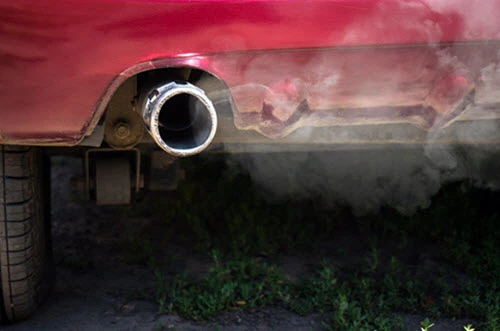
- White smoke from the tailpipe
- Loss of power
- Oil contamination
- Engine overheating
- External leaks
|
A blown head gasket typically results in an internal engine leak which causes the coolant to transform into steam during the combustion process. In cases where the leaks in the head gasket are significant, the emission of white smoke from the tailpipe can be both constant and dense. |
|
|
When a head gasket fails, the compressed fuel/air mixture escapes from the combustion chamber and the compression of the cylinder is reduced. This causes the engine to run unevenly, resulting in a significant decrease in engine power. |
|

|
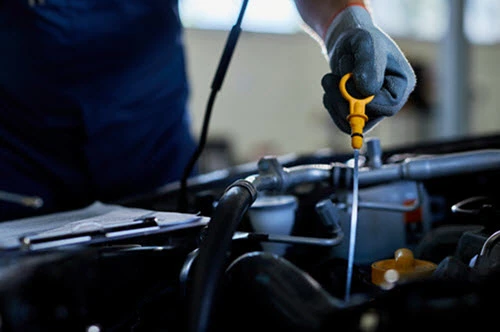
The most apparent indication of a blown gasket is the presence of a milky mixture resembling sludge under the oil filter cap or on the dipstick. This is a result of coolant or water seeping into the oil through breaks in the gasket. The presence of coolant or water in the engine oil can cause the lubricating system to operate inefficiently. Additionally, even if the vehicle is not driven, the presence of coolant or water in the oil can corrode the machined surfaces (cylinder surfaces, bearings, etc.), resulting in pitting of the metal and necessitating rebuild of the entire engine |
|
|
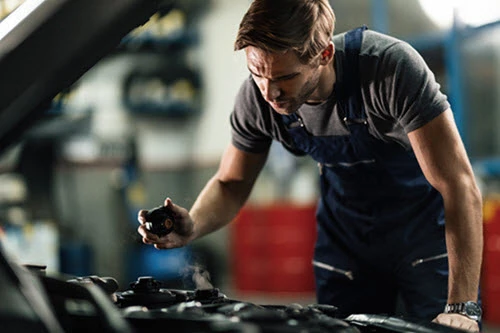
A blown head gasket may cause your vehicle to overheat, particularly after a lengthy drive. This is due to both the shortage of engine coolant and the inefficient combustion process. Extended overheating can cause a number of problems, the most severe being metal expansion, which is also the primary cause of engine cracking, warping, and seizing. |
|
|
External leaks are generally not as evident as internal leaks. They typically only result in minor oil or coolant leakage. However, a significant drop in the oil or coolant levels can result in severe engine problems. |
|
Preventing Head Gasket Failure
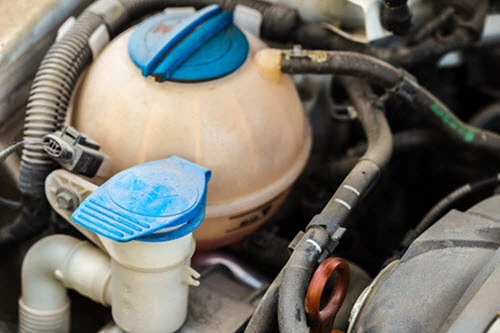
A leaking head gasket can cause engine overheating. Conversely, frequent engine overheating can lead to head gasket failure. To minimize the cost of repairing or replacing parts, it is essential to ensure that your cooling system functions efficiently. Here are a few ways to do so:
- Maintain engine coolant at the proper level using the correct coolant according to the manufacturer’s recommendations.
- Check for leaks on cooling system pipes and joints when you see the coolant on the ground.
- ALWAY observe the temperature gauge for proper operation. If it appears the gauge does not operate properly, get your vehicle checked and service immediately.