Common Symptoms of
Faulty Knock Sensor(s)
Introduction
As vehicles evolve, the components within them become more advanced as well. The Knock Sensor is one of these. It serves as a key sensor in engine management by ensuring that the engine runs smoothly and effectively. The Knock Sensor detects the presence of engine knock, or detonation, and sends signals to the Engine Control Module (ECM). If the sensor malfunctions, the ECM will not identify engine knock, leading to poor performance, low fuel efficiency, and potential engine damage. Despite its vital role, the function of the Knock Sensor often goes overlooked until a fault occurs. This article highlights common symptoms of Knock Sensor malfunctions, providing insight into potential problems and their underlying causes.
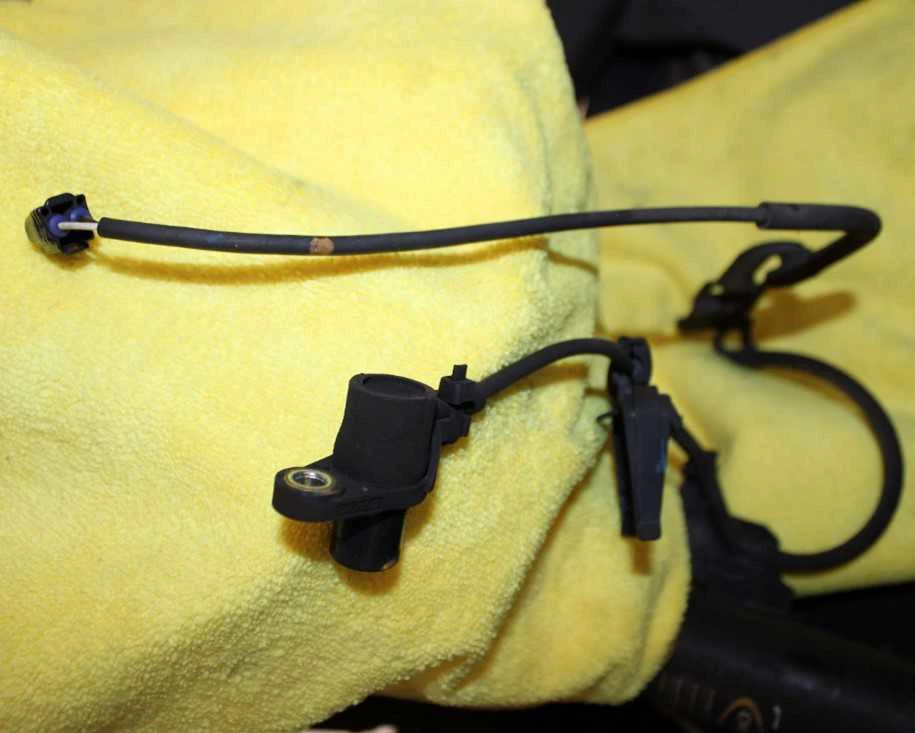
What Causes Knock Sensor Failures?
- Mechanical Damage: Mechanical damage from impact, vibration, installation errors, and corrosion can contribute to Knock Sensor failure, resulting in reduced performance and emissions control issues.
- Engine Heat: The Knock Sensor is regularly exposed to the hightemperature of the engine. Over time, the heat produced by the combustion process can degrade the sensor, causing deterioration. This gradual damage can ultimately lead to the failure of the Knock Sensor.
- Electrical Malfunction: Loose, corroded, or damaged wiring connections to the Knock Sensor can disrupt the signal from the sensor to ECM. This can result in unpredictable sensor readings or perceived sensor failure.
Common Symptoms of a Faulty Knock Sensor
- Malfunction Indicator Light (MIL) or Check Engine Light (CEL) Illuminates
A faulty Knock Sensor can trigger the Malfunction Indicator Lamp (MIL) on the dashboard to illuminate. When the ECM detects a problem with the Knock Sensor, it registers a Diagnostic Trouble Code (DTC), and activates the MIL to alert the driver. This serves as a warning sign that there may be an issue with the Knock Sensor or other related components. It’s important to note that the MIL can be triggered for various reasons. Therefore, using an OBD II scanner to quickly identify which DTC has commanded the MIL on is essential.
- Decreased Engine Performance
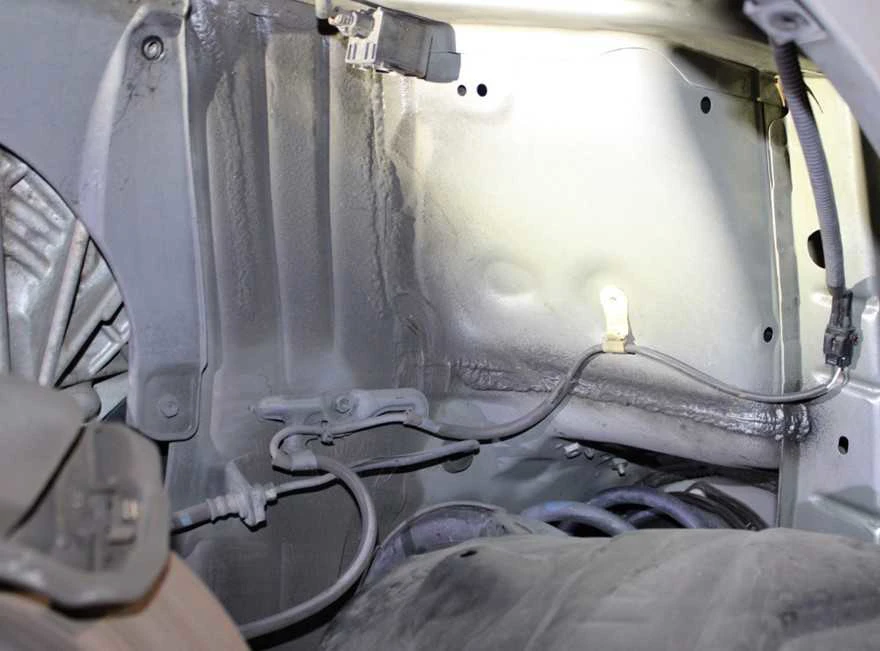
The Knock Sensor plays an important role in optimizing ignition timing to ensure efficient combustion and safe engine operation, particularly by retarding ignition timing to prevent potential damage from engine knock and misfires. A Faulty Knock Sensor can send excessive signals resulting in a loss of power, slower acceleration, stalling, and overall sluggish performance.
- Abnormal Noises
If the Knock Sensor fails, the ECM may not detect engine knock effectively. Consequently, you may hear a metallic “pinging” sound coming from the engine, especially during acceleration or when the engine is under heavy load. These noises resemble rattling or metal “pinging,” and should not be ignored, as ongoing engine knock can cause serious damage over time.
- Poor Fuel Economy
A faulty Knock Sensor can cause the ECM to consistently retard ignition timing, which also affects fuel economy. However, the decrease in fuel economy isn’t extremely noticeable. You may only experience a decline of a few miles per gallon.
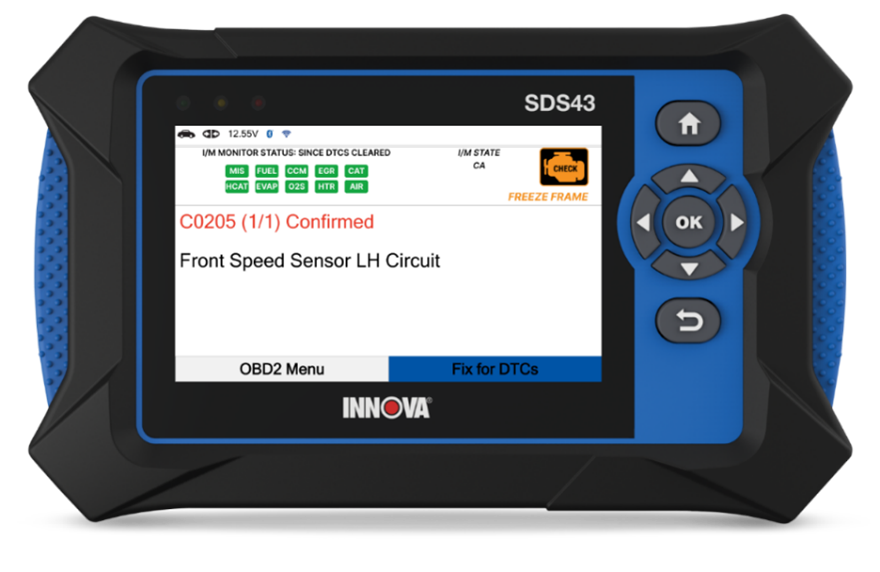
Identify a Faulty Knock Sensor with the Innova Scan Tool
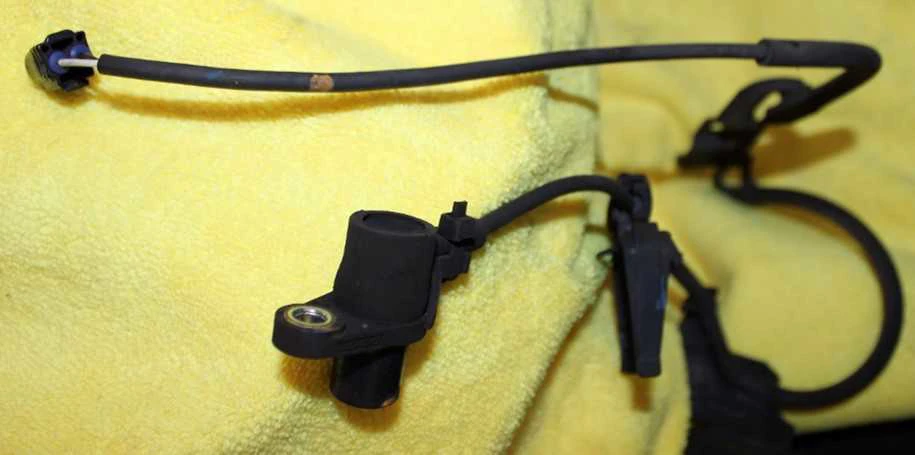
The Innova Scan Tool is an invaluable diagnostic tool that swiftly identifies vehicle system issues. Specifically, it excels in diagnosing and resolving problems related to Knock Sensors by detecting DTCs associated with them. This tool effectively aids in diagnosis of Knock Sensor-related issues, aiding mechanics and car owners in easily pinpointing and resolving problems.
Please visit us at innova.com/support or pro.repairsolutions.com/Support for additional information.
Technical Support
5 Days/ Week
Monday - Friday (6 AM-6 PM PST)
Phone
(800) 544-4124
Email
customercare@innova.com
Live Chat
INNOVA.com