Common Symptoms of a Faulty Variable Valve Timing (VVT) Solenoid
Introduction
Variable Valve Timing is designed to control the flow of oil to the engine’s camshaft to compensate for engine speed, load, and performance demands. The adaptability of VVT is most noticeable in improved engine responsiveness, fuel efficiency and reduced emissions. Manufacturers may call VVT by different names, but they all operate in a similar manner.
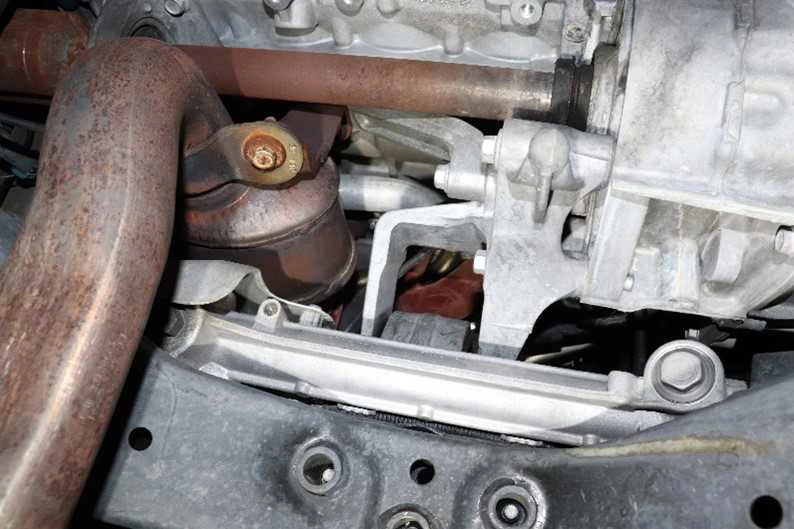
What Causes the VVT Solenoid Failure?
Contamination: Extended oil change intervals can lead to contaminants such as dirt, debris and other solids accumulating in the engine oil. This can build up in the oil passages in the VVT system, causing damage ranging from solenoid failure to premature chain and gear wear due to lack of oil lubrication.
Electrical Issues: Electrical problems such as wiring damage or poor connections can disrupt communication between the Engine Control Module (ECM) and the VVT solenoid, resulting in malfunctioning.
Engine Overheating: Continuous exposure to high temperatures can cause solenoid component degradation. Excessive heat also causes engine oil breakdown (improper lubrication) and erratic behavior in the electrical system.
Wear and Tear: The VVT is a mechanical component. Regular oil changes extend VVT operation, but normal wear and tear will eventually wear down components in the VVT system.
Common Symptoms of the VVT Solenoid?
Malfunction Indicator Lamp (MIL) or Check Engine Light (CEL)
When the VVT Solenoid fails to actuate, the ECM may command the MIL or CEL to illuminate on the vehicle’s dashboard. This will be accompanied by a Diagnostic Trouble Code (DTC), a definition, and accompanying Freeze Frame Data.
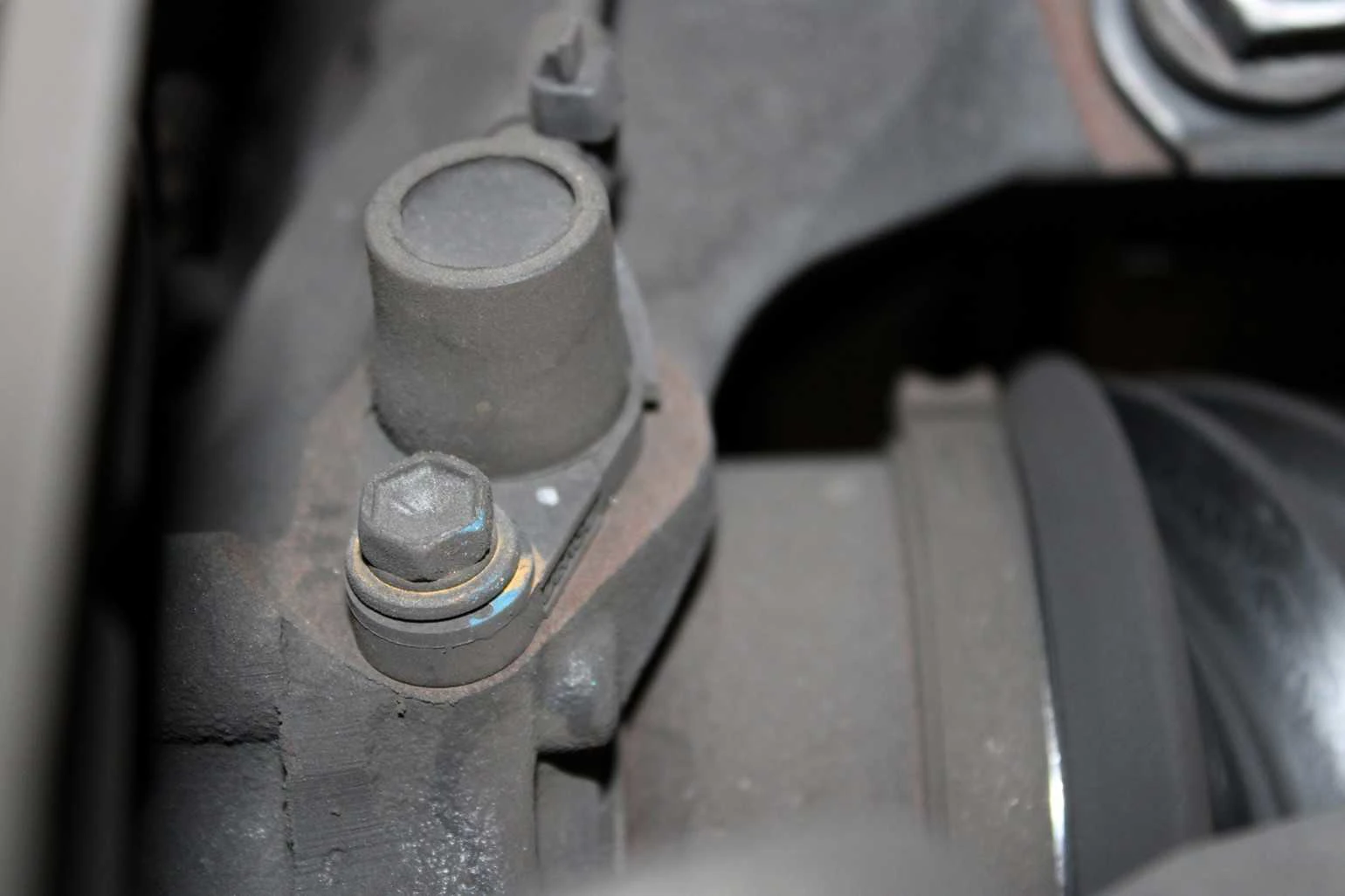
- Reduced Engine Performance
The primary function of the VVT Solenoid is to regulate the timing of the camshaft, ensuring smooth engine performance across varying operating conditions. If the VVT Solenoid fails, it can result in reduced power, acceleration, and fuel efficiency.
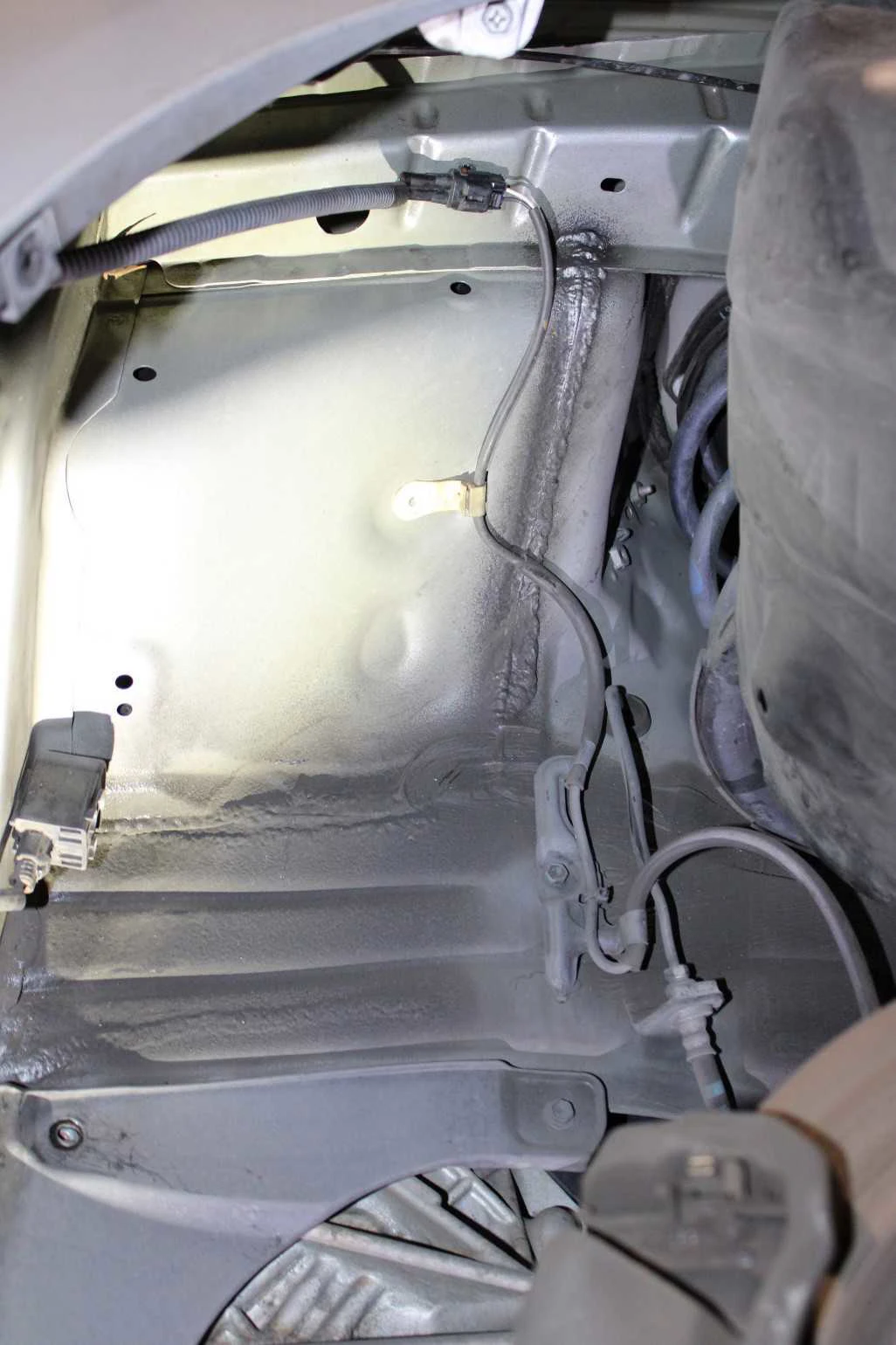
- Abnormal Noise from the Engine
When the VVT solenoid fails, it can't properly adjust the valve timing, leading to erratic valve movements and potential collisions between components. Additionally, when the VVT system operates improperly, it can lead to increased vibration and resonance within the engine, which can produce abnormal noises.
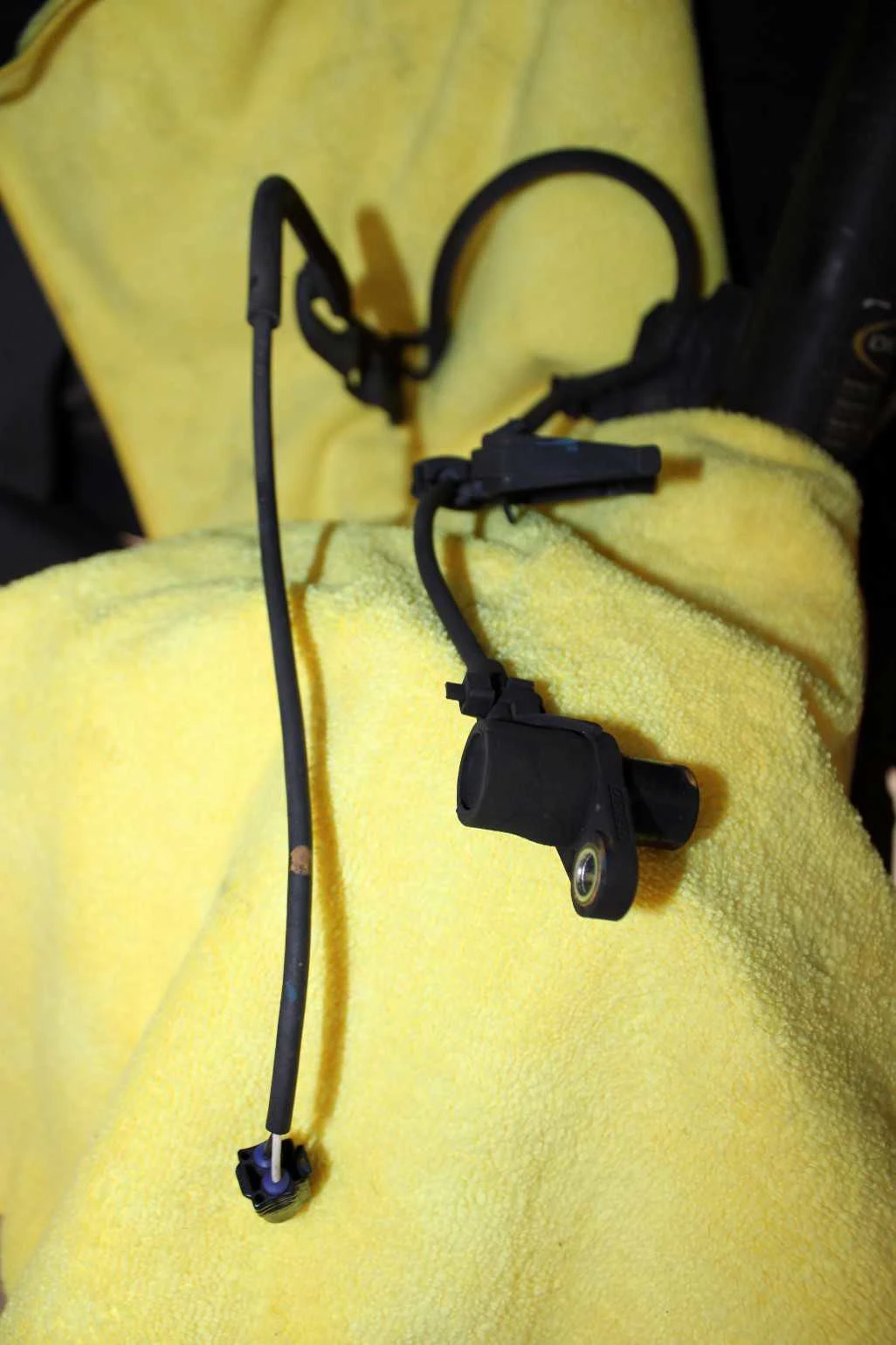
Identify A Faulty VVT Solenoid with the Innova Scan Tool
The Innova Scan Tool is a valuable OBD II diagnostic device used to identify, decode, and define stored DTCs in a vehicle’s computers. It quickly displays I/M Monitor Status, (Smog Check Readiness) and the DTC Severity. Additionally, the Innova Scan Tool displays Freeze Frame Data associated with a DTC, such as vehicle speed, engine temperature, open/closed loop status, and other items of information relevant to when the DTC was stored on a vehicle’s computer system.
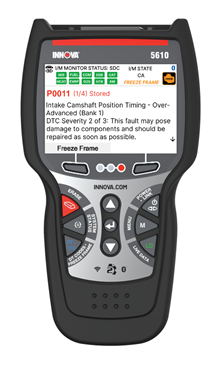
Please visit us at innova.com/support or pro.repairsolutions.com/Support for additional information.
Technical Support
5 Days/ Week
Monday - Friday (6 AM-6 PM PST)
Phone
(800) 544-4124
Email
customercare@innova.com
Live Chat
INNOVA.com