Common Symptom Of The Faulty MAP Sensor
Purpose
This article discusses common signs and symptoms of a faulty or malfunctioning Manifold Absolute Pressure (MAP) sensor.
Introduction
The Manifold Absolute Pressure (MAP) sensor is essentially an electronic version of the vacuum advanced diaphragm used in mechanical distributors. The MAP sensor measures the difference (or absolute pressure differential) between the air inside the manifold and the ambient air pressure. The sensor sends a voltage or frequency signal representing engine (intake) vacuum to the Engine Control Module (ECM). The ECM adjusts air/fuel ratio and ignition timing according to changes in engine vacuum.
The MAP sensor is positioned on the manifold hose ahead of the throttle body.
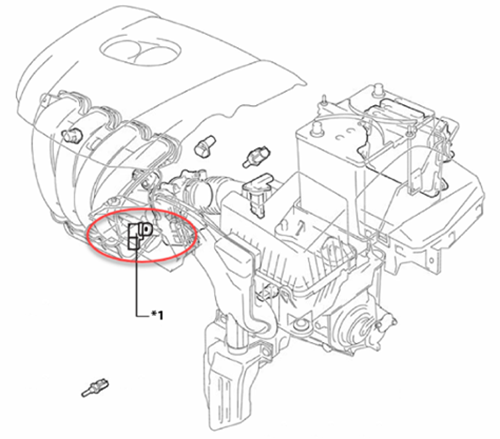
Causes of a Faulty MAP Sensor
- Contamination by carbon or other deposits from the engine.
- Clogged or leaking hose affecting the sensor’s ability to read pressure changes.
- Loose, melted or cracked electrical connectors resulting from overheating due to proximity to the engine.
Symptoms of a Faulty MAP Sensor
A faulty MAP sensor will affect the ability of the ECM to adjust air/fuel ratio and ignition timing due to inaccurate calculation the engine load. This can result in an excessively rich or lean air-fuel mixture. Symptoms of a faulty MAP sensor can include:
- Malfunction Indicator Light (MIL) illumination
- Lean or rich air-fuel mixture
- Failed emissions test
- Poor fuel economy
|
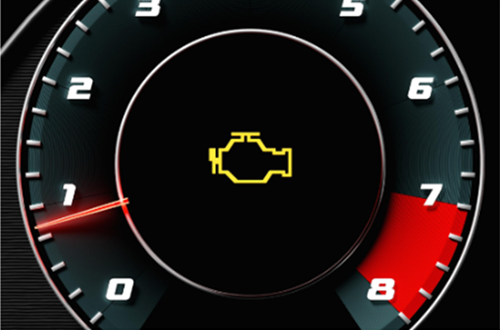
A faulty MAP sensor may not provide accurate manifold pressure data instantaneously, or may provide incomprehensible data to the ECM. For example, when the Throttle Position Sensor (TPS) and Crankshaft Position Sensor (CKP) indicate the engine is idling, but engine vacuum is low. When a fault in the MAP is detected by the ECU, the MIL illuminates to alert the driver that an issue with the sensor is present. |
|
|
A lean air-fuel ratio (too little fuel in the mixture) can cause surging, stalling, lack of power, hesitation on acceleration, backfiring through the intake, and overheating. A rich air-fuel ratio (too much fuel in the mixture) can cause rough idling, poor fuel economy, sluggish acceleration. A rich air-fuel mixture can often be detected by a strong odor of gasoline when the engine is idle. |
|
|
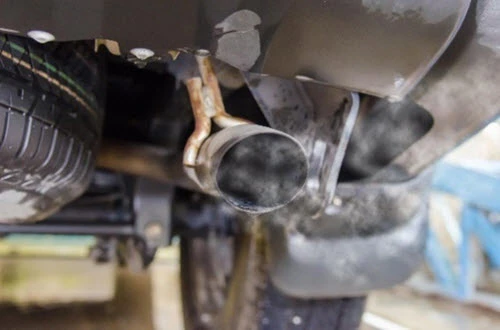
If the ECM cannot accurately control the air-fuel ratio, your vehicle may produce increased emissions and fail an emissions test. Excessive fuel can lead to higher Hydrocarbon (HC) and Carbon Monoxide (CO) emissions, while insufficient fuel can result in higher Nitrogen Oxide (NOx) emissions. High emissions levels can damage the catalytic converter, leading to a failed emissions test for your vehicle. |
|
|
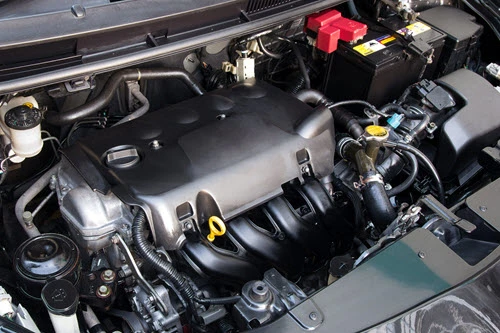
When A faulty MAP sensor sends incorrect values value to the ECM, the ECM will determine the engine is at high load. This causes the ECM to inject more fuel into the cylinders and advance spark timing, resulting in excessive fuel consumption, poor fuel economy, and detonation. If you notice that your vehicle consumes more fuel than normal when driving a known distance, it may indicate a faulty MAP sensor. |
|