Intake Manifold Gasket(s): Understanding The Structure, Symptoms, Maintenance, And Costs
Introduction:
The intake manifold gasket(s) play a crucial role in the efficient operation of an internal combustion engine. These gaskets act as a seal between the intake manifold and the engine cylinder heads, ensuring proper flow of the air/fuel mixture into the combustion chambers. This article provides an overview of intake manifold gaskets, common symptoms of a blown gasket, maintenance tips, and associated costs for replacement.
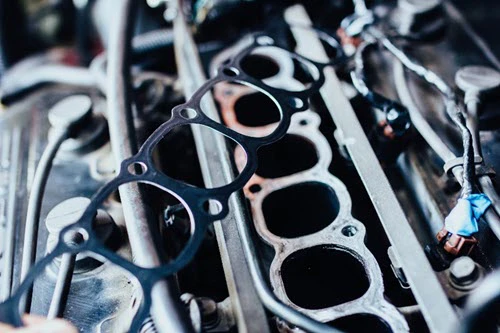
Overview of the Intake Manifold Gasket(s):
Intake manifold gaskets are typically made from durable materials such as rubber, silicone, or composite materials. They are designed to withstand the extreme temperatures and pressures encountered during engine operation. The gaskets are positioned between the intake manifold and the cylinder heads, forming a secure seal to prevent any leaks.
The primary function of intake manifold gaskets is to ensure the precise delivery of the air/fuel mixture to each combustion chamber. Additionally, these gasket help maintain the integrity of the vacuum system of engine, contributing to efficient fuel combustion and overall engine performance.
Common Symptoms of Blown Intake Manifold Gasket(s):
When an intake manifold gasket is compromised or damaged, it can lead to lead to a variety of issues. Common symptoms of a blown intake manifold gasket include:
a. Engine Misfire: A blown gasket can allow air or fuel leaks, leading to an imbalanced air/fuel mixture. This can result in engine misfires, rough idling, or hesitation during acceleration.
b. Overheating: A compromised gasket can result in coolant leaks, leading to overheating issues. This can cause severe engine damage if not addressed promptly.
c. Reduced Power and Fuel Efficiency: Leaking intake manifold gaskets can adversely affect the air/fuel mixture, causing a decrease in engine power and fuel efficiency.
Maintenance Tips:
Regular maintenance is essential in preventing intake manifold gasket failure. The following tips will help in maintaining these essential gaskets:
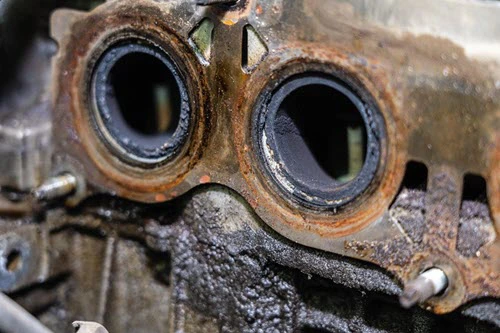
a. Inspect and Replace Worn Gaskets: During routine engine inspections, check the condition of the intake manifold gaskets for signs of cracks, leaks, or other damage. Replace the gaskets as necessary to maintain optimal engine performance.
b. Proper Torque Specifications: When installing or replacing intake manifold gaskets, BE SURE they are tightened to the recommended torque specifications of manufacturer. This will ensure a proper seal and prevent leaks.
c. Cooling System Maintenance: Overheating can contribute to gasket failure. Maintain the cooling system by regularly flushing and replacing coolant, inspecting hoses, and ensuring proper radiator function.
Cost of Replacing Intake Manifold Gasket(s):
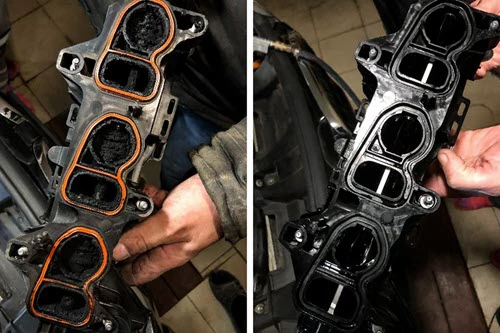
The cost of manifold intake gasket replacement can vary depending on several factors, including the make and model of the vehicle, labor charges, and whether the gasket failure has caused additional engine damage. On average, replacement cost can range from $200 to $600, including parts and labor.
Conclusion:
Intake manifold gaskets are crucial components that contribute to proper operation of an internal combustion engine. Understanding the symptoms of a blown gasket and performing regular maintenance can help prevent more extensive engine damage and costly repairs. If you experience any of the common symptoms of gasket failure outlined above, it is recommended to consult a professional mechanic for a thorough diagnosis and appropriate repairs.
By prioritizing the maintenance of manifold intake gaskets and addressing any issues promptly, you can ensure the longevity and reliability of your engine performance of vehicle.